
Five days, one complete audit lifecycle.
Select a day to explore its objective and key topics. All sessions run 10:00–16:00 CET.
The Lead Auditor & the medical device regulatory environment
Build a solid understanding of the Lead Auditor's role, the regulatory framework for medical devices and the certification process.
- Introduction to the programme
- Lead Auditor roles & responsibilities
- First-, second- & third-party audits
- CE marking & conformity assessment
- ISO 13485 within the MD regulatory framework
- Certification bodies & certification audits
- ISO/IEC 17021-1
- ISO 13485, ISO 9001 & FDA 21 CFR Part 820
- Certification cycle: initial, surveillance & recertification
Planning & preparing successful audits
Learn how to design, organise and prepare quality management system audits using internationally recognised auditing principles.
- ISO 19011 auditing principles
- Audit programmes & risk-based planning
- Auditor competence & team selection
- Stage 1 & Stage 2 audits
- Audit objectives, scope & criteria
- Audit planning & scheduling
- Opening meetings
- Workshop: developing an audit programme & plan
Conducting effective audits
Develop the practical competencies required to perform and lead audits in real-life situations.
- Collecting objective evidence
- Interview techniques
- Sampling methods
- Document review
- Audit trails
- Observation techniques
- Leading & coordinating the audit team
- Managing unexpected audit situations
- Practical audit simulations
Evaluating audit evidence & ISO 13485 compliance
Learn how to assess conformity with ISO 13485 requirements and formulate professional audit conclusions.
- Auditing ISO 13485 requirements
- Developing audit questions
- Evaluating objective evidence
- Audit findings & nonconformities
- Major & minor nonconformities
- Opportunities for improvement
- Making audit decisions
- Practical case studies
Audit closure & final assessment
Consolidate the complete audit process, professionally conclude an audit and demonstrate your Lead Auditor competencies.
- Preparing professional audit reports
- Closing meetings
- Corrective actions & follow-up
- Reviewing the complete audit lifecycle
- Final assessment: online knowledge test
- Final assessment: practical auditing scenario
A practice-oriented learning experience.
- {{ h }}
- ✓All 5 live online training days
- ✓Full access to the English digital learning materials
- ✓≈150-page study guide interpreting ISO 13485:2016
- ✓Practical exercises, workshop materials & resources
- ✓One final assessment attempt
- ✓Official Obuda University micro-credential on completion
Recognised. Recorded. Verifiable.
Issued by Obuda University — a state-recognised higher education institution in Hungary and a member of the European Higher Education Area (EHEA).
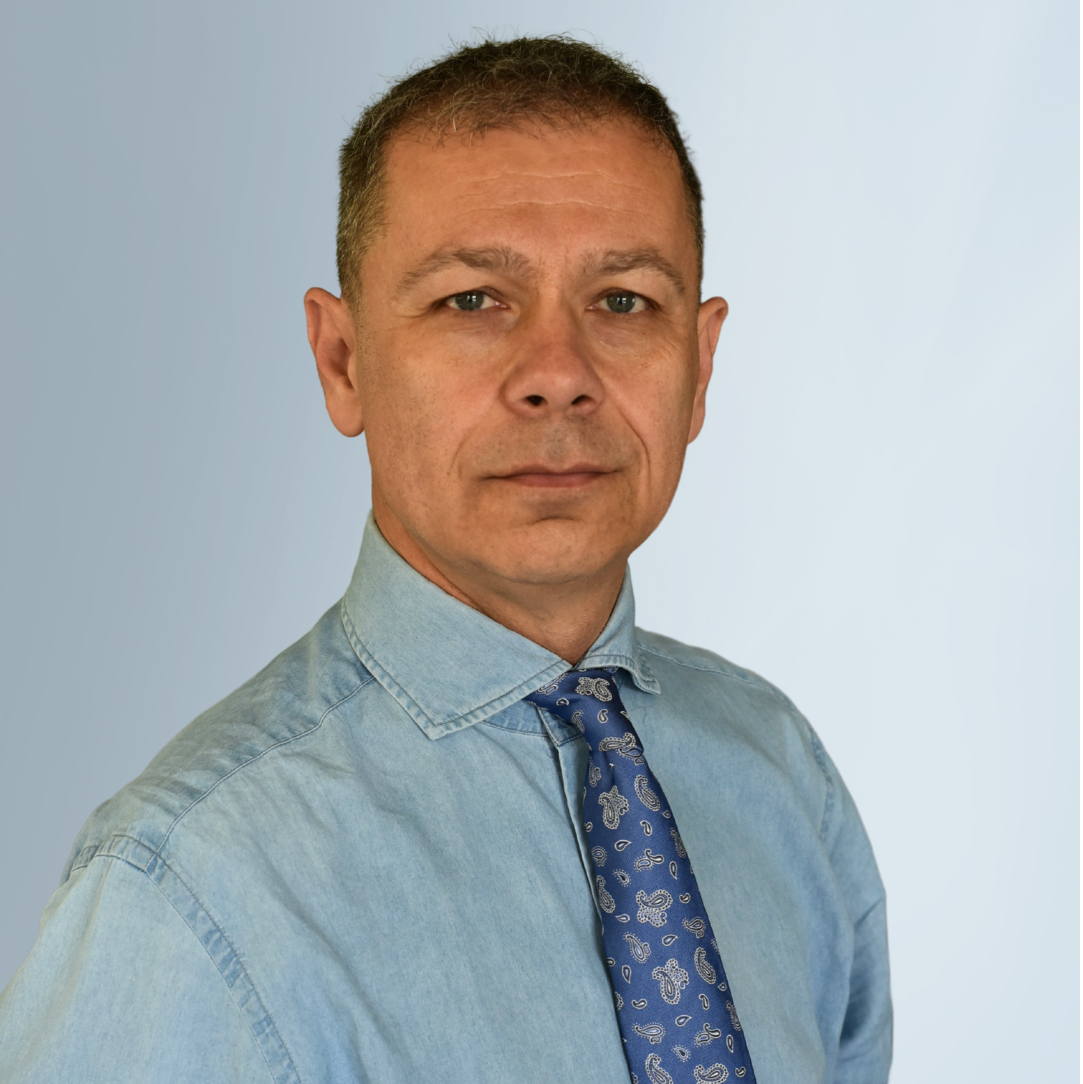
Csaba Sántics
Consultant · Lead Auditor · Trainer
20+ years developing, implementing, auditing and training quality management systems.
10+ years specialising in ISO 13485 for the medical device industry.
Expertise in CE conformity assessment, risk management, technical documentation, PEMS and medical device software validation.
Engineering degrees in Electrical Engineering and Facility Engineering, with advanced Lead Auditor training.
Simple, transparent pricing.
One fee covers the complete programme — all five live days, the full digital learning materials and your final assessment. Register early to save.
What is included in the participation fee?
Everything you need to qualify — one fee, no hidden extras.
- All five live online training days
- Full access to the English digital learning materials
- ≈150-page digital study guide interpreting ISO 13485:2016
- Practical exercises, workshop materials & resources
- One final assessment attempt
- Official Obuda University micro-credential on completion
Group and company discounts are available for two or more colleagues from the same organisation. Get in touch and we'll prepare a tailored quote.
QUESTIONS
Who should attend this programme?+
Professionals in quality assurance, regulatory affairs, manufacturing, supplier quality, auditing and related areas within the medical device industry — anyone who wants the competencies to plan, conduct and lead quality management system audits.
What makes this programme different?+
Three things. It leads to an official Obuda University micro-credential carrying ECTS credits; every case study and exercise is tailored exclusively to the regulated medical device sector; and it is practice-oriented — you build real Lead Auditor competencies through workshops and audit simulations. It is jointly developed by Obuda University, SAASCO Medical and NoBoVersum.
Do I need previous auditing experience?+
Previous auditing experience is helpful but not mandatory. You should have a basic understanding of ISO 13485:2016, quality management systems and the medical device industry.
Will I receive an official qualification?+
Yes. On successful completion you receive an official university micro-credential issued by Obuda University — a state-recognised institution and EHEA member. It is officially recorded, electronically verifiable and formally recognises the competencies you acquired.
What are ECTS credits?+
ECTS (European Credit Transfer and Accumulation System) is the standard credit system used by universities across Europe. It formally recognises the workload and learning outcomes achieved. Subject to the receiving institution's rules, ECTS credits may also count towards future university studies.
What learning materials are included?+
Workshop presentations, an approximately 150-page digital study guide interpreting the requirements of ISO 13485:2016, and practical auditing exercises with supporting resources. The guide supports both the live workshops and independent study — and remains a valuable professional reference afterwards.
How is the final assessment conducted?+
The assessment combines an online knowledge test with a practical Lead Auditor assignment based on realistic medical device auditing scenarios, evaluating both theoretical knowledge and practical auditing competencies.
Take the next step in your career.
Reserve your place on the November 2026 cohort and become a qualified Medical Device Lead Auditor.
- 1Open the university application portal and complete the course application form.
- 2Receive your Student Training Agreement and invoice by email.
- 3Your place is confirmed and joining details follow before 16 November.
Questions before you apply? Write to aiakademia@uni-obuda.hu and a programme advisor will help.